 Skip to content

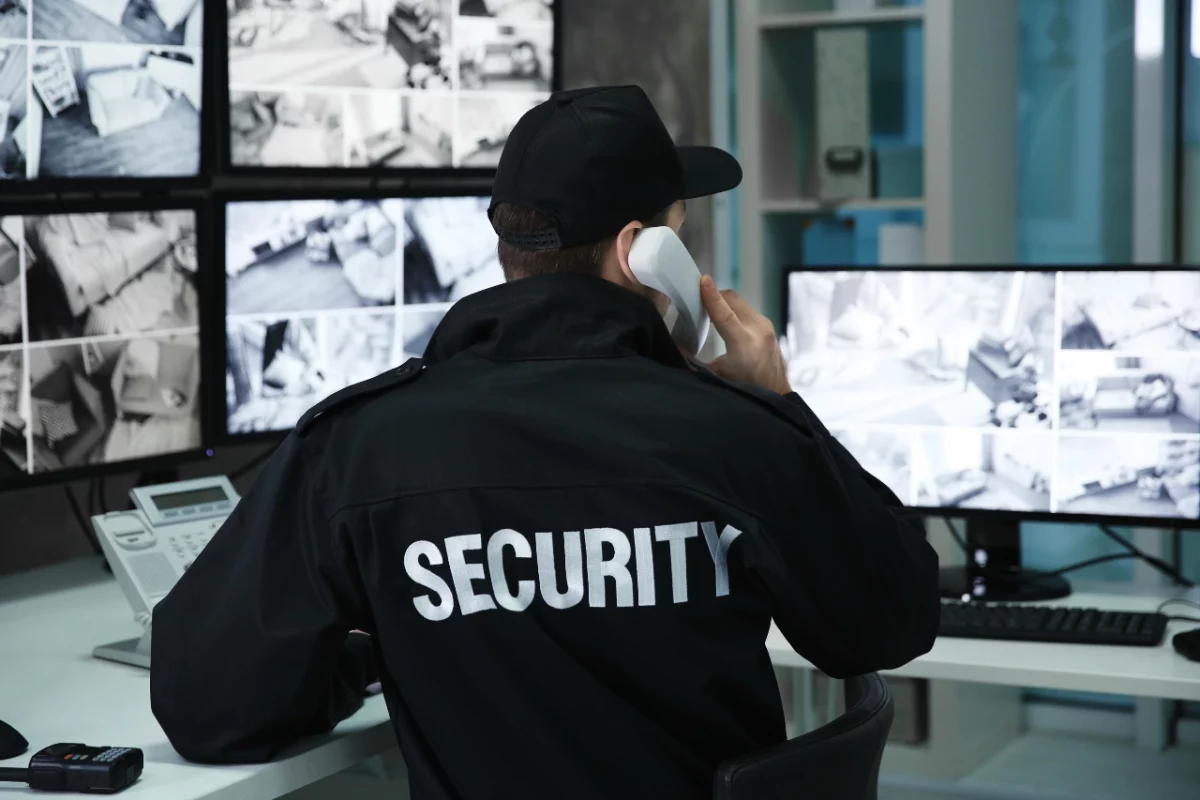
There was a time when corporate security relied heavily on “tribal knowledge.” In a traditional office, everyone had an assigned desk. You sat next to the same person for five years. If a stranger walked onto the floor, ten people would immediately look up and ask, “Can I help you?” The workforce itself was the first layer of defense because they knew who belonged and who didn’t.
Those days are gone.
The post-pandemic rise of hybrid work, “hot-desking” (booking a random desk for the day), and co-working spaces has shattered that tribal knowledge. Today, an office might be 50% empty on Monday and 100% full on Wednesday. The person sitting next to you might be a new hire from a different department, a consultant, or—potentially—an intruder.
In this fluid environment, the question “Who is that?” is rarely asked because anonymity has become the norm. For corporate security directors, this presents a massive vulnerability. Securing the hybrid office requires a shift from passive reliance on staff recognition to active, verified access control.
The Tailgating Epidemic
The biggest enemy of the hybrid office is “tailgating” (or piggybacking). This happens when an authorized employee swipes their badge to open a secure door, and a second person catches the door before it closes and walks in behind them.
In a traditional office, the employee might challenge the stranger: “Do you work here?” In a hybrid office, they assume the stranger is just a colleague they haven’t met yet. They hold the door open out of politeness.
This politeness is a security breach. It allows unauthorized individuals—disgruntled former staff, corporate spies, or thieves—to bypass the perimeter effortlessly.
To combat this, modern corporate security officers act as “Rovers.” They don’t just sit at the front desk. They patrol the interior. They perform random “badge checks” in common areas. It isn’t about interrogation; it’s about verification. A polite, “Good morning, checking badges today,” reminds everyone that security is active and validates that every person in the collaborative lounge actually belongs there.
Protecting the “Clean Desk”
In a hot-desking environment, you don’t own your desk. You rent it for the day. This means you cannot leave sensitive documents, prototypes, or passwords on sticky notes when you walk away for lunch.
Yet, old habits die hard. Employees frequently leave confidential client files on a shared desk while they go to a meeting, assuming the space is private.
Security officers in hybrid environments enforce the “Clean Desk Policy.” During their patrols, they scan for unsecured intellectual property. If they find confidential documents left out in the open, they secure them and log the incident. This isn’t just about tidiness; it is about data protection. The SANS Institute identifies physical document security as a critical component of cybersecurity, noting that “visual hacking” (someone photographing a document on a desk) is a primary method of low-tech data theft.
The “Friday Ghost Town” Risk
Hybrid schedules often create a “Friday Ghost Town” effect where the office is nearly empty. An empty office is a vulnerable office.
Criminals know these patterns. They know that on Fridays, the few employees present are often isolated in different corners of the building. This isolation creates safety risks. If a medical emergency occurs, is there anyone nearby to hear the cry for help? If an intruder enters, can they move undetected for hours?
Security officers adjust their posture based on occupancy. On low-density days, they increase their foot patrols. They act as the “buddy system” for the lone workers. They ensure that even if the floor is empty, it is not unmonitored. This dynamic staffing ensures that safety standards don’t dip just because attendance does.
Your Experts for Corporate Security
Adapt your defenses to the new way of working. Secure your fluid workforce.
Triumph Protection helps modern businesses solve the security challenges of hybrid and co-working models. Visit our Corporate Security page to update your office protocols, or Contact Us for a consultation.