 Skip to content

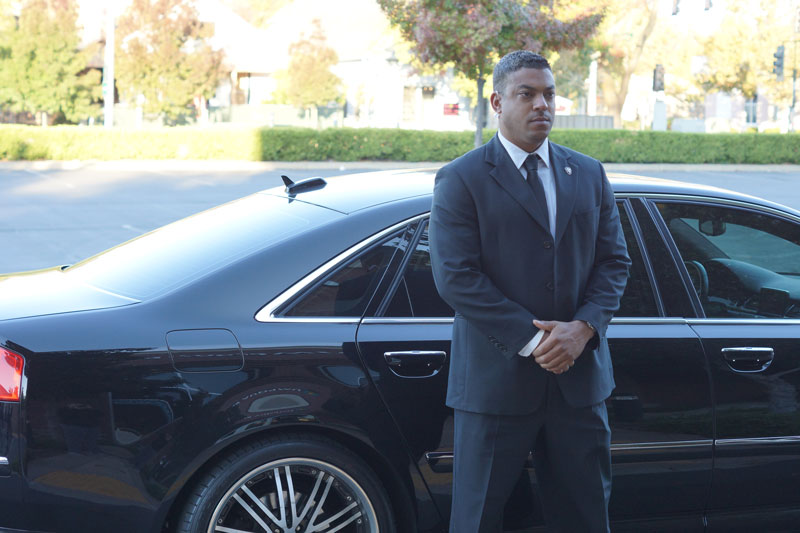
For religious leaders—Pastors, Rabbis, Imams—security presents a profound theological conflict. The core mission of a House of Worship is to be open. It is a sanctuary for the stranger, the broken, and the seeker. To lock the doors or surround the building with armed guards feels like a betrayal of that mission.
However, the reality of the modern world cannot be ignored. Houses of Worship are increasingly targeted for hate crimes, vandalism, and tragic active shooter events. The FBI’s Hate Crime Statistics show a disturbing upward trend in bias-motivated attacks against religious property and congregants.
This leaves religious communities asking a difficult question: How do we stay safe without becoming a fortress?
The answer for many is Plain Clothes Security. By utilizing armed or unarmed professionals who dress like members of the congregation, a House of Worship can maintain its welcoming atmosphere while having a hardened layer of protection ready to act in a split second.
The “Usher” Who Is Watching
In a plain clothes model, the security officer doesn’t stand at the door with a badge. They might stand in the lobby wearing a suit, greeting people just like an usher or a greeter. They might sit in the back pew during the service.
To the average visitor, they are just another member of the community. But their mindset is different. While the congregation is praying or singing, the security officer is scanning.
They are trained in Behavioral Detection. They are looking for anomalies:
- The person wearing a heavy trench coat in July.
- The individual who is sweating profusely and avoiding eye contact.
- The person who enters the sanctuary but never looks at the altar, instead scanning the exits and the cameras.
By spotting these pre-attack indicators, a plain clothes officer can intercept the individual before a weapon is drawn. They can approach them quietly: “Good morning, can I help you find a seat?” This simple engagement allows them to assess the threat level close-up without causing a panic.
Protection for Leadership
Religious leaders are public figures. Unfortunately, this makes them targets for stalking, harassment, or violence from mentally unstable individuals.
Plain clothes officers often act as close protection (bodyguards) for the clergy during services and public events. They can position themselves near the pulpit or the stage. If a threat rushes the stage, the officer is the first line of defense, placing themselves between the aggressor and the leader.
Because they are in plain clothes, this protection doesn’t create distance between the leader and their flock. The Pastor can still shake hands and pray with people at the altar, with the quiet assurance that their safety is being monitored.
Volunteer Security Teams vs. Professionals
Many churches try to solve this problem by forming volunteer security teams from their membership. “Bob used to be a cop, let’s have him carry his gun.”
While well-intentioned, this is fraught with legal and tactical liability.
- Lack of Training: Has the volunteer trained for a crowded sanctuary shooting scenario? Do they know what lies behind the target if they miss?
- Liability: If a volunteer shoots the wrong person or uses excessive force, the church is sued. Professional security companies carry massive liability insurance policies that shield the church.
- The “Warrior” Mindset: Sometimes, volunteers are too eager to be heroes. Professional officers are trained in de-escalation first.
The Church Law & Tax Report advises that while volunteers can be “eyes and ears,” the role of armed intervention should ideally be left to sworn officers or licensed private security professionals to minimize negligence risks.
Children’s Ministry Safety
Finally, security extends to the most vulnerable: the children. Plain clothes officers monitor the children’s ministry areas. They ensure that custody procedures are followed—that the person picking up the child is the same one who dropped them off.
They also watch for non-custodial parents attempting to snatch a child during a service, a common domestic issue that plays out in churches. A discreet presence ensures parents can worship in the main sanctuary knowing their children are under a watchful, professional eye.
Your Experts for Plain Clothes Security
Preserve the sanctuary. Protect the flock.
Triumph Protection partners with religious institutions to provide discreet, respectful security solutions that honor your mission. Visit our Plain Clothes Security page to discuss a safety plan for your congregation, or Contact Us for a confidential assessment.