 Skip to content


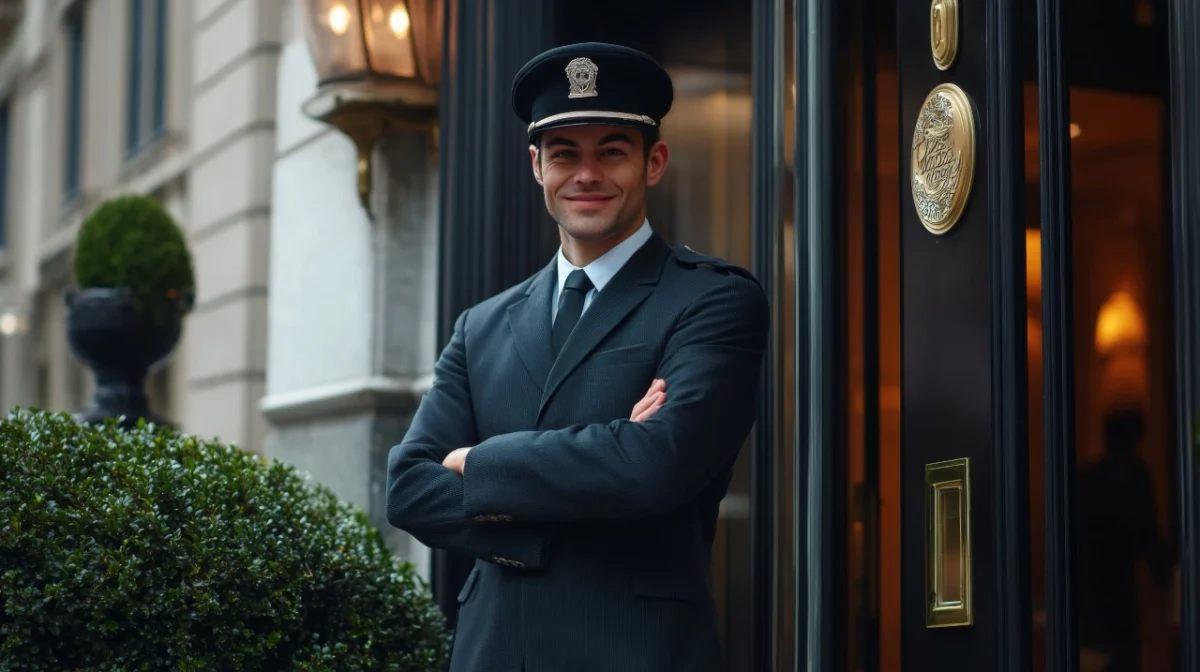
Modern hotels are no longer just places to sleep; they are social destinations. Rooftop bars, lobby nightclubs, and high-end speakeasies are now standard features in luxury properties. They drive massive revenue and create a “buzz” that attracts younger travelers.
But for a General Manager, this creates a security nightmare: A Split Personality Property.
You have one group of customers paying $500 a night to sleep in peace on the 4th floor. You have another group of customers who just walked in off the street to drink, dance, and get rowdy on the roof.
Keeping these two worlds separate—and safe—is the job of Hospitality Security. It requires a specialized approach that blends the strict access control of a nightclub bouncer with the white-glove polish of a hotel concierge. Failure to manage this split results in noise complaints, negative reviews, and dangerous liability issues.
The Elevator Choke Point
The biggest risk in a mixed-use hotel is “bleed over.” You do not want intoxicated bar patrons wandering onto the residential floors.
The elevator bank is the choke point. In a standard hotel, anyone can walk into the lobby and call an elevator.
We implement “Elevator Guarding” during peak nightlife hours (Thursday–Saturday nights). A security officer stands at the elevator lobby. Their job is twofold:
- Verification: They check room keys. “Good evening, sir. Can I see your key card for the residential floors?” If a bar patron tries to go up (“I’m just looking for the bathroom”), they are politely redirected.
- Intoxication Check: They act as a filter. If a guest is stumbling drunk, the officer can assist them or prevent them from causing a scene in the quiet hallways.
This physical barrier ensures that the “party” stays in the bar and the “sanctuary” stays in the rooms.
The “Outsider” Threat
Hotel bars attract locals. These are people who have no skin in the game; they aren’t staying at the hotel, so they don’t care about the rules.
Security officers at the bar entrance are the first line of defense. Unlike a typical club bouncer who just checks ID for age, hospitality security checks for intent. They monitor the dress code. They turn away groups that are already visibly intoxicated before they enter the property.
By filtering the crowd at the door, we reduce the likelihood of fights inside. If a fight does break out, our officers are trained to de-escalate and remove the individuals quietly. The goal is to resolve the issue without the guests in the lobby even knowing a disturbance occurred.
The Liability of the “Over-Served” Guest
Hotels have a unique “Duty of Care.” If a patron gets drunk in your bar, drives home, and crashes, the hotel can be liable (Dram Shop Laws).
Security officers work closely with bartenders to spot “over-served” individuals. The officer becomes the “Bad Guy” so the bartender doesn’t have to be.
If a guest needs to be cut off, the officer steps in. “Sir, I think you’ve had enough for tonight. Let me call you a cab.” This intervention is firm but respectful. Crucially, we ensure they don’t get behind the wheel. We escort them to a taxi or a rideshare. This “Safe Exit” protocol protects the hotel from massive lawsuits and protects the patron from themselves. The American Hotel & Lodging Association (AHLA) identifies alcohol management as a top-tier liability risk, urging hotels to use licensed security to manage the exit process.
Your Experts for Hospitality Security
Keep the party fun and the guests safe.
Triumph Protection specializes in managing the complex security dynamics of hotel nightlife. Visit our Hospitality Security page to protect your liquor license and your reputation, or Contact Us to interview our nightlife security team.