 Skip to content


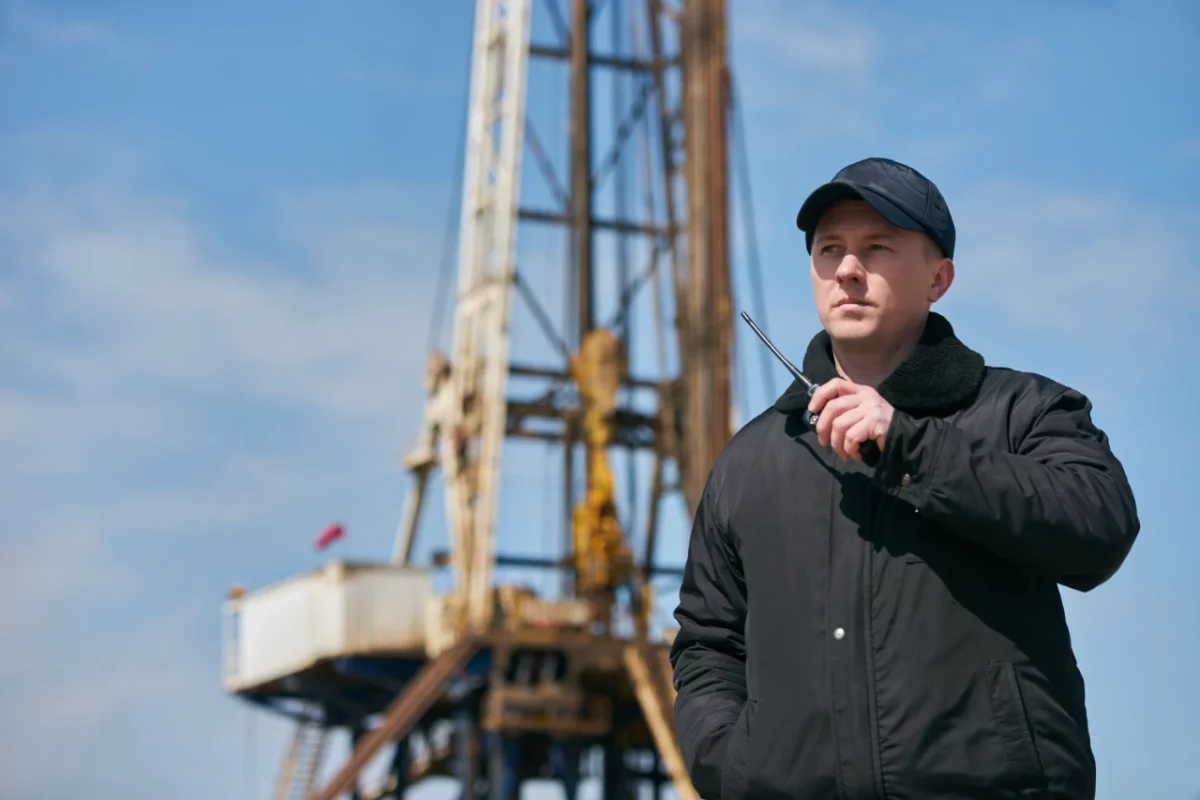
In a large industrial facility—a sprawling manufacturing plant or a massive distribution center—an emergency alarm is a terrifying sound.
You have hundreds of employees spread across acres of floor space. Forklifts are moving. Machinery is loud. When the fire alarm blares or, God forbid, shots are fired, confusion reigns. People panic. They run. They freeze.
In these critical minutes, your safety plan is only as good as the people executing it.
Most facility managers assume that employees will just “follow the exit signs.” Reality proves otherwise. In a crisis, people look for a leader. They look for authority. This is where your Industrial Security team shifts from “guards” to “evacuation commanders.” They are the only people on site specifically trained to run toward the problem while guiding everyone else away from it.
The Human Stampede Factor
History has taught us tragic lessons about crowd dynamics in emergencies. When people are scared, they herd. They all try to use the main entrance—the door they came in—even if there is a closer emergency exit behind them. This causes bottlenecks, crushing injuries, and death.
Security officers are trained to break this fixation.
They deploy to the intersections. They use voice commands and hand signals to redirect the flow of traffic. “Move to the West Exit! Do not use the Main Lobby!”
They act as “human signage.” By physically blocking unsafe routes and waving people toward open ones, they decongest the choke points. The National Safety Council (NSC) emphasizes that during evacuations, active direction is superior to passive signage, as high-stress brains often fail to process written text.
The Headcount: “Is Everyone Out?”
The most terrifying question for a Fire Chief arriving at a burning factory is: “Is everyone out?”
If you cannot answer that question, firefighters have to risk their lives to search the building.
Security officers manage the “Muster Points.” Once employees are outside, they must assemble in designated zones. Security officers hold the rosters. They perform the roll call.
- “Where is the night shift maintenance crew?”
- “Did the visitor in the conference room get out?”
Security officers are trained to sweep the “hidden” areas on their way out—the bathrooms, the locker rooms, the server closets—to ensure no one is left behind (a practice known as “The Last Man Sweep”). This accountability saves lives and allows first responders to focus on the fire, not the search.
Active Shooter: The Run, Hide, Fight Leader
In an Active Shooter scenario, evacuation might be a death sentence. Running into a hallway might put employees in the line of fire.
Security officers are trained in the Run, Hide, Fight protocol. They make split-second decisions based on the location of the threat.
- If the shooter is in the East Wing, the officer locks down the West Wing and orders employees to barricade (“Hide”).
- If the path is clear, they lead the evacuation (“Run”).
They also act as the eyes for the police. They call 911 with precise intelligence: “One shooter, male, wearing a red vest, moving toward the loading dock.” This information cuts the police response time in half.
Post-Incident Security
Once the emergency is over, the facility is vulnerable. The doors are blown open. The fence is cut. The alarm system is dead.
Security officers establish a “hard perimeter” around the damaged site. They prevent looting. They keep the media out. They preserve the scene for insurance investigators. They ensure that the disaster doesn’t turn into a theft spree.
Your Experts for Industrial Security
Don’t leave your people to navigate chaos alone. Put professionals in charge of the exit.
Triumph Protection trains officers in advanced evacuation and active threat response for industrial environments. Visit our Industrial Security page to review your emergency plan, or Contact Us to schedule a drill.