 Skip to content

There is a fundamental truth in security: Consistency is good for business, but unpredictability is good for defense.
If a criminal knows that a security guard sits at the front desk from 9:00 AM to 5:00 PM and takes a lunch break at exactly 12:30 PM, they have all the information they need to bypass your defense. They simply wait for 12:30. Predictability creates vulnerability.
This is where the debate between Static Guarding (standing at a post) and Mobile Patrols (moving in a vehicle) becomes critical. While some facilities require a constant presence at the door, many others—like sprawling industrial parks, construction sites, or HOA neighborhoods—are better served by the element of surprise.
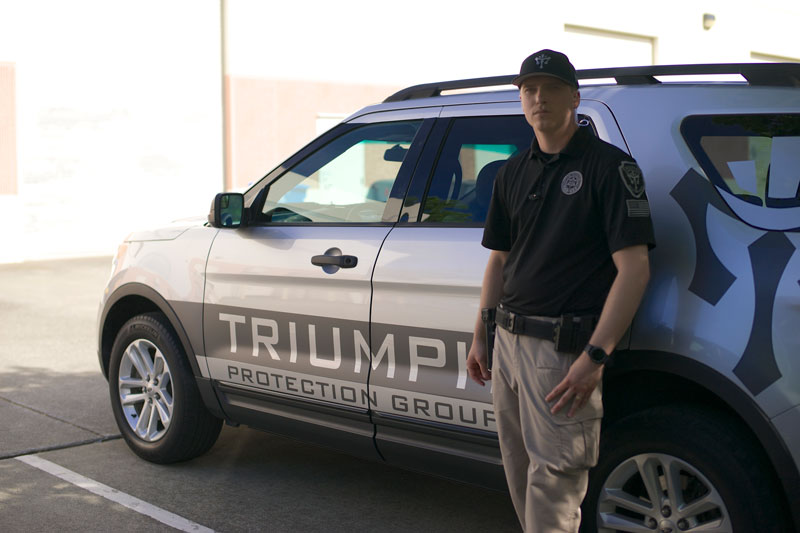
A marked security vehicle patrolling at random intervals creates a psychological minefield for potential bad actors. They never know when the “Ghost Car” will appear around the corner. This uncertainty effectively expands the “halo of protection” far beyond what a single standing guard can see, often at a fraction of the cost.
The Economics of the Patrol
For many business owners, the decision comes down to budget. Hiring a dedicated security officer to stand on your property 24/7 is a significant investment. It essentially requires three full-time salaries to cover the shifts.
Mobile patrol offers a strategic alternative. Instead of paying for a guard’s downtime (the hours spent sitting in an empty booth), you pay for “hits.” A patrol officer visits your property multiple times per night in a marked vehicle.+1
They don’t just drive by; they stop. They get out. They rattle the door handles. They check the back gate. They shine a spotlight into the dark corners of the loading dock. This creates the visual impression of a constant presence without the full-time cost. BOMA (Building Owners and Managers Association) often highlights shared mobile patrols as a top-tier cost-saving strategy for commercial property managers looking to reduce Common Area Maintenance (CAM) charges without sacrificing safety.
Breaking the Criminal Timeline
Criminals need time to work. A burglary isn’t instantaneous; it involves scouting, breaching, looting, and escaping. This timeline might take 20 to 30 minutes.
A random mobile patrol disrupts this timeline. If a thief is cutting a hole in a fence and sees headlights sweeping across the wall, they abandon the job immediately. They cannot risk that the car is coming for them.
The key word is “random.” If the patrol car comes every night at exactly 2:00 AM, the thief will just wait until 2:15 AM. Professional security companies use dispatch software to randomize patrol routes. One night the officer hits the site at 11:00 PM and 4:00 AM. The next night, they hit it at 1:00 AM and 3:00 AM. This inability to set a watch by the guard’s schedule makes the property a “hard target.”
Technology Meets Tires
Modern mobile patrols are not just guys driving around in cars. They are high-tech data gathering operations.
Patrol vehicles are often equipped with GPS tracking and dash cameras. When an officer conducts a foot patrol of your facility, they use electronic checkpoints (NFC tags or QR codes) placed at critical locations—the boiler room, the rear exit, the roof access. They must scan these tags to prove they were there.+1
This data is fed into a real-time portal for the client. You wake up in the morning and receive a report: “Officer Smith checked the South Gate at 2:14 AM. Door was secure. Photo attached.”
This transparency is vital. It proves you are getting what you paid for. Furthermore, if an incident does occur, this data trail helps with insurance claims and police investigations, establishing a timeline of when the site was last secure. Security Magazine notes that data-driven guarding is the future of the industry, moving security from a commodity to a measurable business analytic.
Your Experts for Uniformed Security
Keep them guessing. Protect your property with the power of unpredictable presence.
Triumph Protection utilizes GPS-tracked mobile patrols to secure large properties efficiently and effectively. Visit our Uniformed Security page to design a patrol route for your business, or Contact Us for a quote.