 Skip to content

There is a time for the “show of force”—the uniformed guard standing at the gate, signaling to the world that this property is protected. But there are other times when a uniform is not a deterrent; it is a target. Or worse, it is a social liability.
Imagine a CEO closing a billion-dollar deal at a quiet bistro. A uniformed guard hovering over the table screams “paranoia” and disrupts the intimacy of the negotiation. Or consider a high-end jewelry store where a tactical officer at the door might make wealthy clients feel scrutinized rather than safe.
This is the domain of Plain Clothes Security. It operates on the “Gray Man” theory: the ability to blend into any environment, becoming so unremarkable that you effectively disappear. By removing the visual indicators of security, we gain a tactical advantage: the element of surprise. Whether protecting a VIP or catching a shoplifter, invisibility is often the ultimate superpower.
The Executive Bubble: Protection Without the Circus
For high-net-worth individuals, celebrities, and corporate executives, the goal of security is to enable a normal life in abnormal circumstances. They want to go to their child’s soccer game or attend a shareholder meeting without turning it into a spectacle.
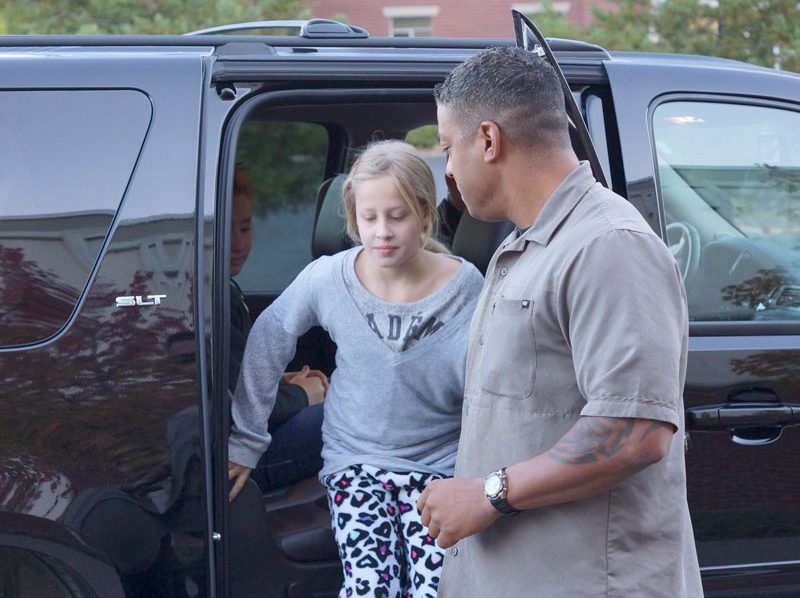
“Executive Protection” (EP) agents are masters of this subtlety. They dress the part. If the client is in a boardroom suit, the agent is in a suit. If the client is in golf attire, the agent looks like a caddy.
But while they look relaxed, their minds are working at hyper-speed. They are constantly scanning the “concentric rings of protection.” They are watching the hands of the people approaching the client. They are checking the exits. They are analyzing the traffic patterns for potential ambushes.
This allows the client to focus entirely on their business or their family, knowing that someone else is handling the variables. Resources from Security Management Magazine highlight that modern EP is 90% logistics and intelligence—planning the route to avoid threats—and only 10% physical intervention. The best bodyguard is the one who never has to draw their weapon because they saw the trouble coming three blocks away.
The “Store Detective”: Beating Organized Retail Crime
In the retail world, theft has evolved. We aren’t just dealing with teenagers stealing candy. We are dealing with “Organized Retail Crime” (ORC)—professional rings that hit stores with military precision.
These professionals know how to spot a uniformed guard. They work in teams. One person distracts the guard while the others sweep the shelves. They wait for the guard’s shift change or bathroom break.
Plain clothes officers—often called “Store Detectives” or “Loss Prevention”—neutralize this advantage. Because the thief doesn’t know who is watching, they are forced to assume everyone could be watching. The shopper browsing the shoe aisle might be security. The person on their phone near the exit might be security.
This creates a psychological minefield for the thief. It also allows for apprehension. To legally stop a shoplifter, an officer usually needs to witness the “five steps of theft” (approach, selection, concealment, continuity, and exit). A uniformed guard rarely sees the concealment because the thief hides from them. A plain clothes officer, acting like a shopper, sees everything.
The Soft Approach to Workplace Threats
Workplace violence is a terrifying reality for modern HR departments. But handling a termination or a hostile employee requires nuance. If you station a uniformed guard in the lobby on the day you fire a volatile employee, you might unintentionally provoke them. The uniform can be seen as an act of aggression or humiliation, triggering the very violence you are trying to prevent.
A plain clothes officer changes the dynamic. They can sit in the lobby posing as a vendor or a client. They are close enough to intervene instantly if the situation turns physical, but their presence doesn’t escalate the tension.
If the employee leaves peacefully, they never even knew security was there. The dignity of the employee is preserved, the anxiety of the staff is minimized, and the company is protected. This “velvet hammer” approach is increasingly the standard for sensitive corporate matters. The Association of Threat Assessment Professionals (ATAP) advocates for this discreet posture to de-escalate potential workplace violence scenarios before they begin.
Your Experts for Plain Clothes Security
Get the protection you need without the attention you don’t.
Triumph Protection deploys elite plain clothes agents who master the art of blending in while standing guard. Visit our Plain Clothes Security page to discuss your confidential needs, or Contact Us for a private consultation.